

L'équipe Texto SMS Gratuit
4 October 2026 · 11 min read
Introduction: €35 a month for a box you use for 40 GB
The sums always come up at the same moment: when the annual bill lands, or when you move house. On one side, a fibre or ADSL box at €35 a month. On the other, a mobile plan with 200 GB, 5G showing 300 Mbit/s in the living room, and a phone that can broadcast Wi-Fi in two taps.
The idea is tempting: drop the fixed line, switch on tethering, save €420 a year. And it works — for some households only. The rest discover, six weeks in, a box set that keeps buffering, a video call that drops out at 7 p.m., or a letter from their operator mentioning "non-compliant use".
This guide won't decide for you. It gives you the three measurements to take before cancelling anything, the contract clauses nobody reads, the gear that genuinely makes a difference, and the profiles for which switching is a bad idea even on an excellent network.
What tethering actually is, technically
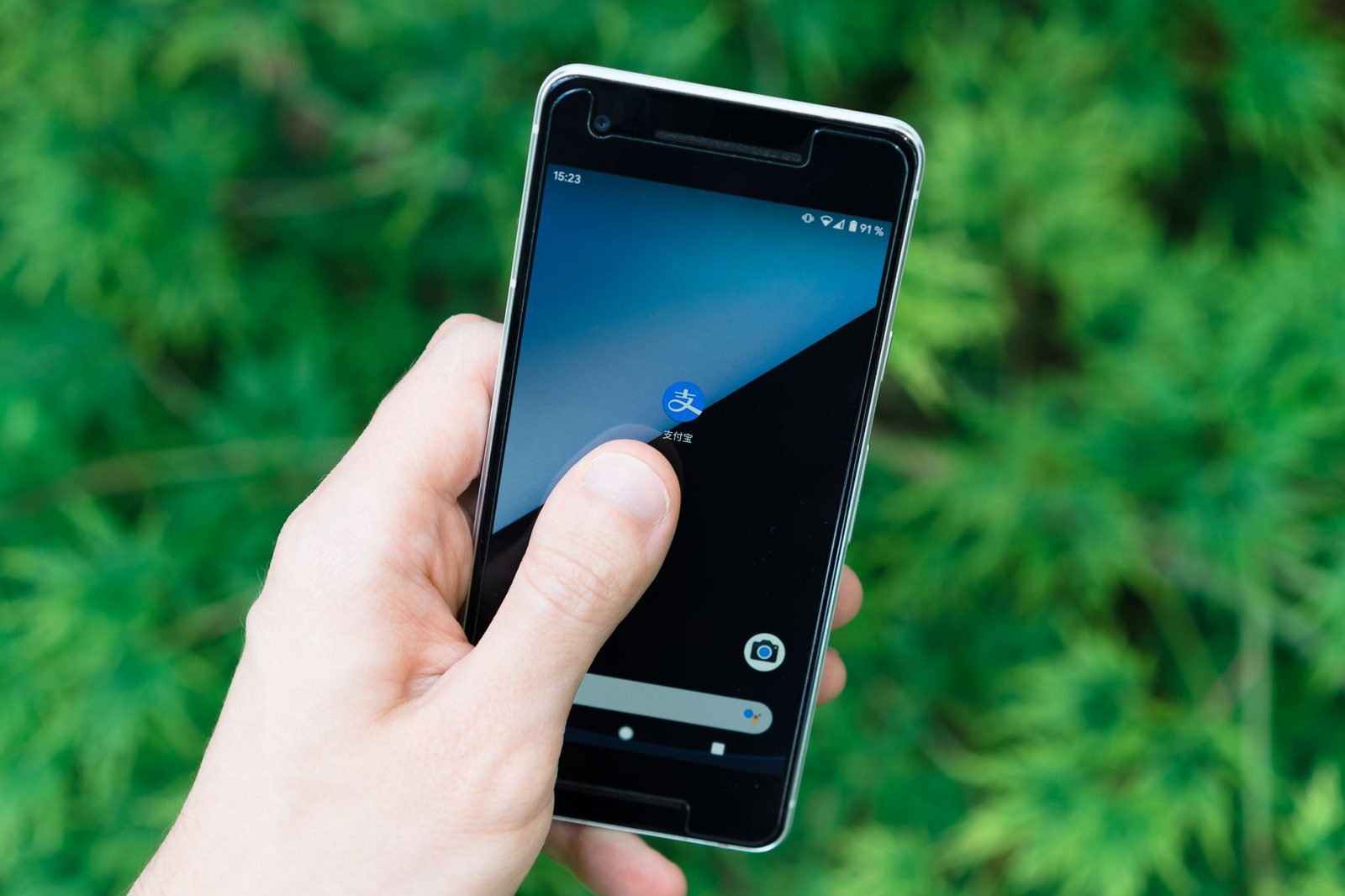
Tethering — also called a mobile hotspot — turns your phone into a small router. It receives data over the mobile network (4G or 5G) and redistributes it to your other devices over Wi-Fi, Bluetooth or a USB cable.
Three modes, three very different behaviours:
| Mode | Usable speed | Battery impact | Simultaneous devices |
|---|---|---|---|
| Wi-Fi (hotspot) | Highest | Very heavy | 5 to 10 depending on the model |
| USB (cable) | High and stable | The phone charges up | 1 |
| Bluetooth | Very low | Moderate | 1 to 2 |
USB mode is the forgotten option. For a remote worker with a single computer, it beats Wi-Fi on every count: more stable latency, no losses from interference, and the phone doesn't drain since it charges while in use. A good-quality braided USB-C cable is all you need, but its gauge matters: very thin spare charging cables cope poorly with continuous data transfer.
On the regulatory side, tethering cannot be billed as an extra or blocked arbitrarily: EU Regulation 2015/2120 on open internet access — whose application in France is monitored by Arcep — enshrines the user's right to choose their own terminal equipment and usage. So all French operators include tethering. Which doesn't rule out other limits, as we'll see.
The three measurements to take before cancelling
1. Real-world speed, at the hour that counts
A speed test at 2 p.m. on a Tuesday tells you nothing. The mobile network is shared: a cell's capacity is split between everyone connected to it. The decisive window is 7 p.m. to 10 p.m. on weekdays, plus Saturday afternoon.
Take five measurements over a week, at the exact spot where the phone will live, using Arcep's tools (J'alerte l'Arcep / Mon réseau mobile, which also publishes per-operator coverage maps) or any speed test. Note three figures, not one:
- download speed (downloads, streaming);
- upload speed (video calls, sending files, backups) — often 5 to 10 times lower, and it's the one that makes meetings fall apart;
- latency (ping), which should stay under 50 ms for comfortable video calls and gaming.
A household watching high-definition video and making video calls needs around 25 Mbit/s down at peak and 5 Mbit/s up. Below that it still works, but at the cost of daily compromises.
2. How much Wi-Fi data you really use
This is the figure almost nobody knows. Your box's admin interface usually shows the monthly volume exchanged; failing that, recent routers report it in their app.
The useful ballpark figures:
- one hour of standard-definition video: about 0.7 GB;
- the same hour in high definition: 2 to 3 GB;
- in 4K: 7 GB and up;
- one hour of video conferencing: 1 to 1.5 GB;
- one hour of browsing or music: a few hundred megabytes.
A couple watching two hours of HD drama every evening inevitably reaches 120 to 180 GB a month on video alone. A household with teenagers and a connected TV passes 300 GB without trying. Against that, even a "300 GB" plan starts to look tight — and genuinely unlimited allowances remain rare and expensive.
3. Your plan's real ceiling
Read the standardised information sheet for your offer — a document made mandatory by the European Electronic Communications Code, transposed in France into the Postal and Electronic Communications Code. There you'll find the data volume, what happens once it's used up (throttled speed or charges), and sometimes a mention of a cap specific to tethering.
The clause nobody reads: "reasonable" use
Here's the point that sinks most improvised switches. Almost all mobile subscription terms and conditions contain a reasonable use clause, or one excluding "residential purposes". The wording varies, the spirit never does: a mobile plan is sold for on-the-move, personal use, not to permanently feed a home's domestic network.
In practice, depending on its terms, an operator can:
- send you a formal notice to moderate your consumption;
- throttle your speed beyond a threshold never advertised commercially;
- terminate the line if the behaviour persists.
These clauses are rarely enforced against a subscriber using 80 GB a month. They are enforced more often on very high and perfectly regular consumption, the signature of fixed-line use. If your plan is to replace a box for the long term, the clean route isn't your phone: it's a dedicated 4G/5G home broadband offer, marketed as such by all four French operators, with a fixed router, a suitable allowance and terms of use that explicitly permit residential use. Pricing generally sits between €20 and €40 depending on the operator and the data volume.
Tethering from your phone is an excellent solution for transition, backup or mobility. As a household's permanent infrastructure, it falls outside its contractual purpose.
Where it really does work well
Temporary accommodation
A student studio, a few months on assignment, a seasonal rental: signing up for a box means installation fees, sometimes an engineer visit, and a cancellation to arrange. Tethering is instant and moves with you. By far the best use case.
Outage backup
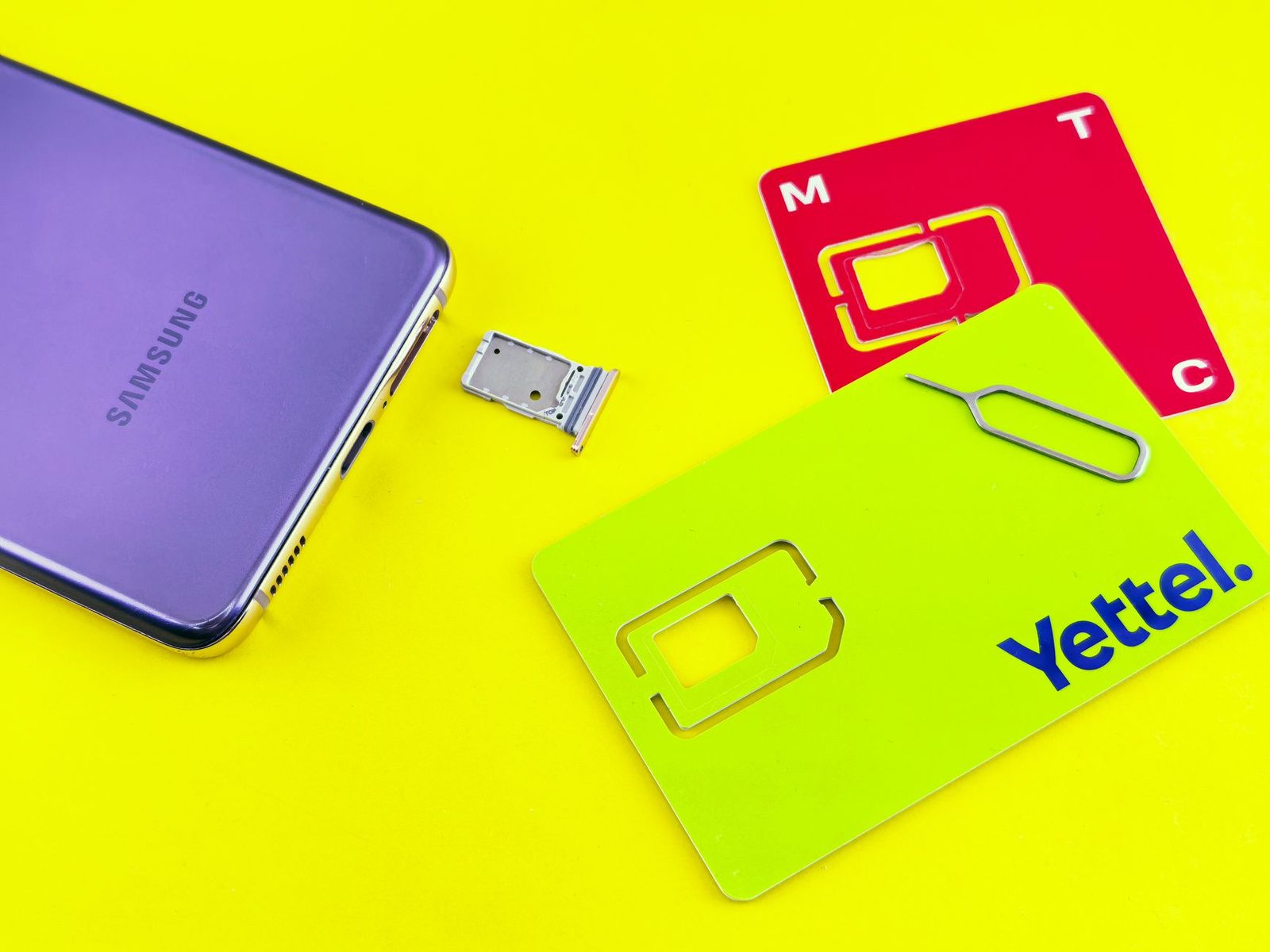
A fibre outage can last several days. Having the tethering reflex, plus a cheap second data plan on a prepaid data SIM card, turns a remote-work catastrophe into an uncomfortable half-day. It's also the strongest argument for keeping a generous mobile plan even when you have a box.
Moving house
Between getting the keys and actually being connected, two to six weeks commonly go by. Tethering covers that gap with no commitment.
Life on the road and van living
Working while travelling, a motorhome, a second home occupied a fortnight a year: no box is justified there. With an external suction-cup 4G/5G antenna mounted on the roof or a window, the gain on a weak signal is often measured in tens of megabits.
The holiday home
For a few weeks a year, a battery-powered 4G router makes far more sense than a fixed subscription paid for twelve months. It handles several devices, can be plugged into a socket, and frees up your phone.
Where you should give up on the idea
- TV through the box. IPTV channels travel badly over mobile, and operators' set-top boxes don't work without their box. Terrestrial TV via an aerial or the broadcasters' own apps are a partial replacement, not a full one.
- Keeping a landline. If an elderly relative still uses the fixed number, switching breaks that service.
- Heavy remote work with video calls. Mobile upload speed and its variability are the two enemies of a meeting. Test a full week before cancelling, not a single morning.
- Busy, densely populated areas. City centres, student neighbourhoods, apartment blocks: 5G showing 400 Mbit/s at midday can drop to 15 Mbit/s at 8.30 p.m.
- Smart-home kit and connected devices. Alarms, cameras and thermostats cope badly with changing network addresses and with the dropouts caused by incoming calls.
The gear that genuinely makes a difference
Three modest purchases do more for connection quality than any change of plan.
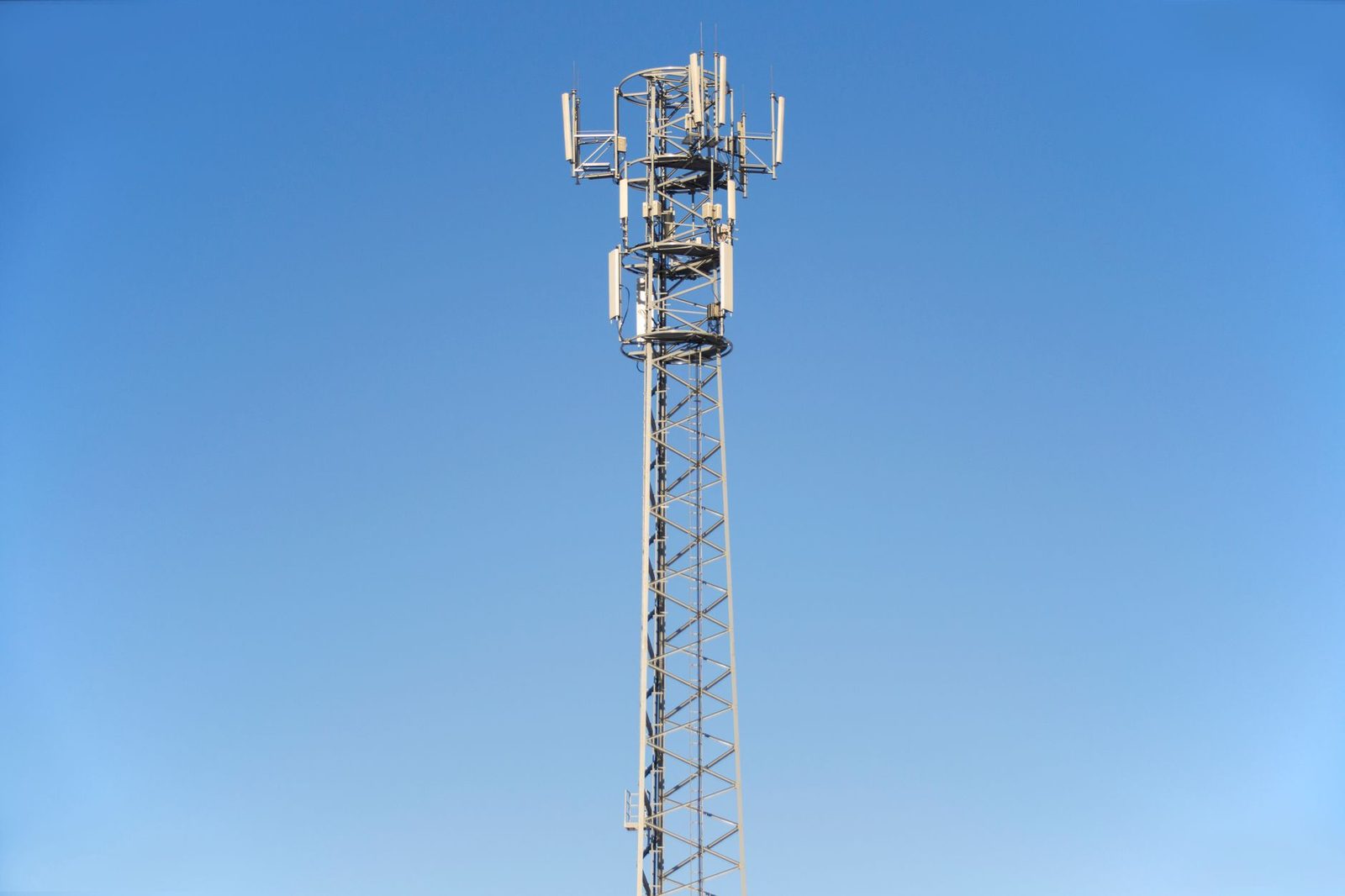
Where the phone sits. A signal gains a lot from being raised a metre and moved closer to a window. A suction-cup window phone mount lets you fix it at the precise spot where reception is best — measured once and for all — rather than leaving it lying around on a table.
Power. The Wi-Fi hotspot is one of a smartphone's most power-hungry functions: expect 20 to 30% of battery per hour under sustained use. Left plugged in permanently, it's the battery that suffers in the medium term. Favour USB mode, which charges the device, or a good-quality charger left in place.
Cooling. A phone broadcasting Wi-Fi for two hours on 5G gets hot, and a hot processor throttles its performance. Put it on a hard surface, never on fabric or a cushion, and take the case off during long sessions.
Settings to configure once, which avoid 80% of nasty surprises
- Lock the Wi-Fi band to 5 GHz if all your devices support it: less interference, more throughput. Switch back to 2.4 GHz only if a device is far away or behind a load-bearing wall.
- Set a long password on the hotspot. An open hotspot means handing your data allowance and your IP address to the neighbourhood.
- Turn off automatic updates over Wi-Fi on computers and consoles. An operating system that decides to update itself can swallow 15 GB overnight.
- Lower the default quality on streaming platforms and disable autoplay. Going from "automatic" to "720p" cuts consumption by three for a difference that's barely perceptible on a laptop screen.
- Enable usage alerts in your operator's customer account, not just the counter on your phone — which doesn't always count the same way.
- Check what happens when the allowance runs out: throttled speed (acceptable) or out-of-plan charges per gigabyte (ruinous). That single line in the information sheet is worth reading the contract for on its own.
The honest sums, in four lines
Before cancelling, put the figures side by side over twelve months:
- Current box: subscription × 12 + any set-top box rental.
- Mobile scenario: extra cost of the data plan you need × 12 + hardware (mount, cable, possibly a router) + what you lose (TV, landline).
- Exit fees: if you're under contract, the balance of the commitment; where a price increase is imposed on you, you have the right to cancel free of charge, as the DGCCRF points out regarding electronic communications contracts.
- Cost of going back: if the experiment fails, reinstating a fixed line means activation fees and several weeks of waiting.
That last line is the one most often forgotten, and it's what makes the experiment asymmetrical. Hence one simple recommendation: try it for a month while keeping the box. Unplug it, live on tethering, then look at your data statement and your irritation level. A month of box paid for twice costs €35; a badly planned U-turn costs a great deal more.
In summary
Tethering has stopped being a stopgap and become, in certain situations, a genuine way of getting online. But it only replaces a box if three conditions are met simultaneously: a decent measured speed at peak hours, consumption comfortably below your allowance, and usage compatible with the plan's on-the-move purpose.
If all three boxes are ticked and the arrangement is meant to last, move to a dedicated 4G/5G home broadband offer rather than keeping a phone alive as a permanent router: same network, same saving, but a contract that holds up and hardware designed for the job.
And in every other case, keep tethering for what it does best: the six weeks waiting to be connected, the three days of outage, and the fortnight's holiday when nobody feels like hunting for a Wi-Fi code.