

L'équipe Texto SMS Gratuit
17 August 2026 · 5 min read
Introduction: Price War, Pylon Peace
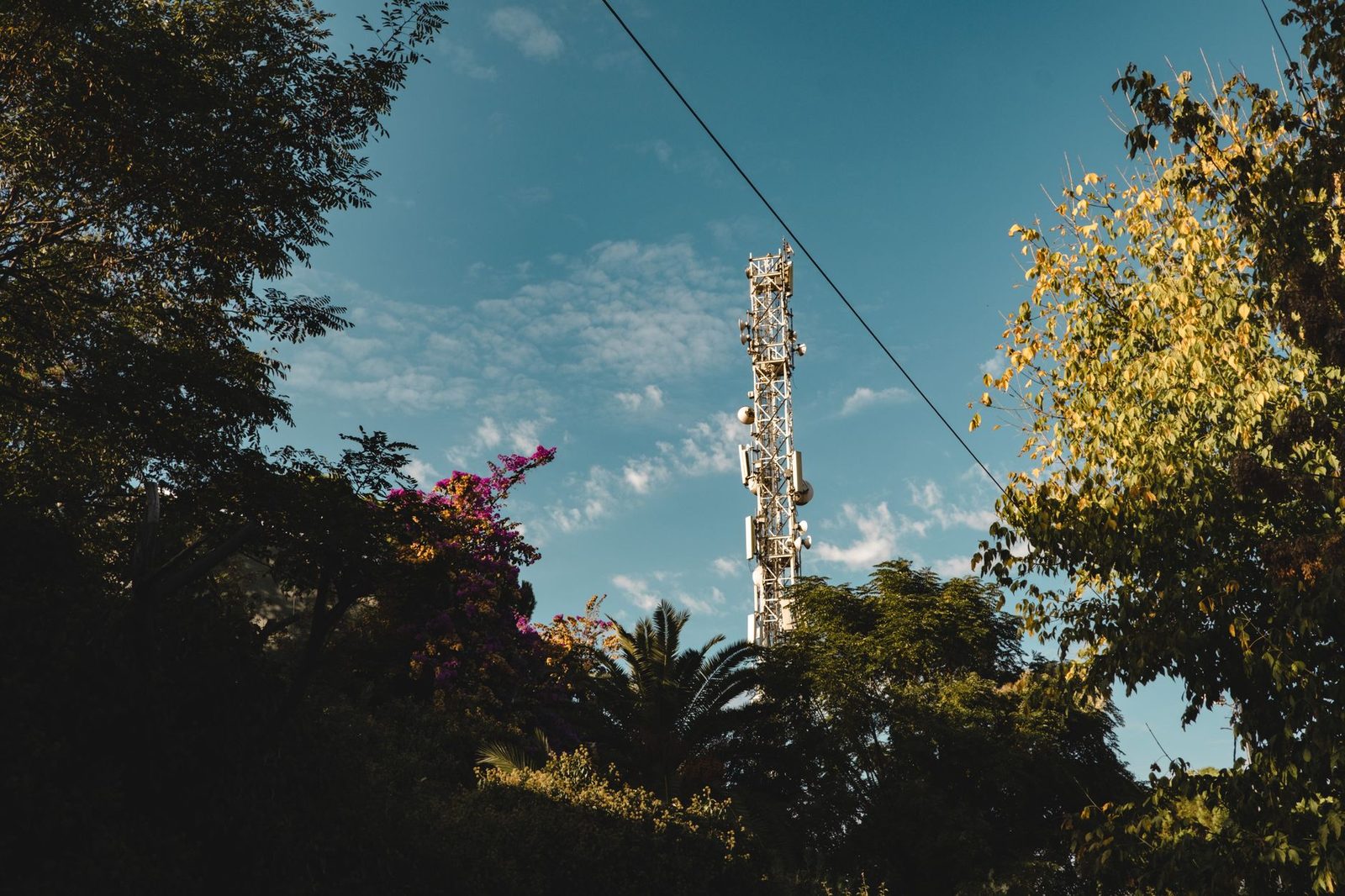
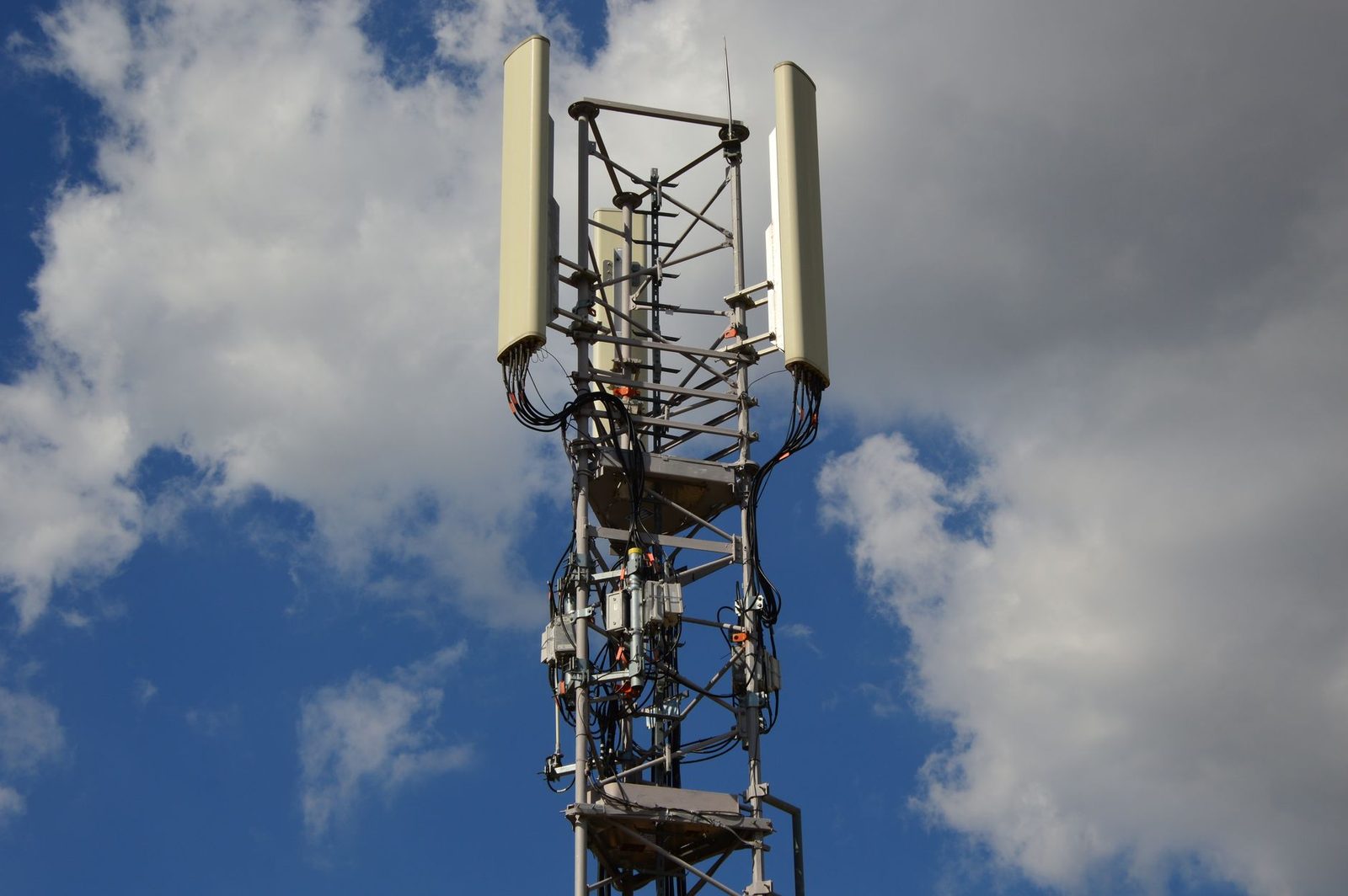
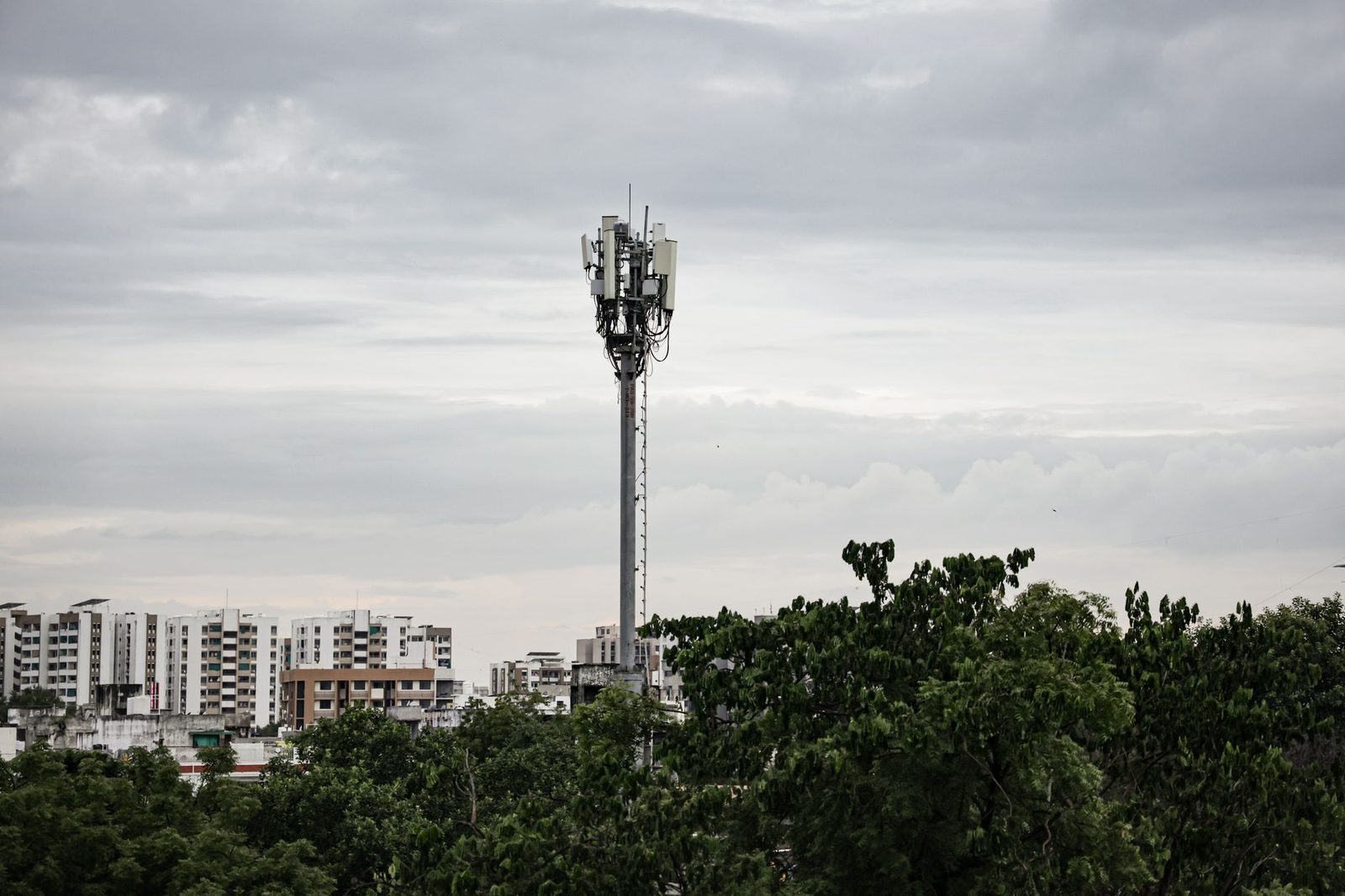
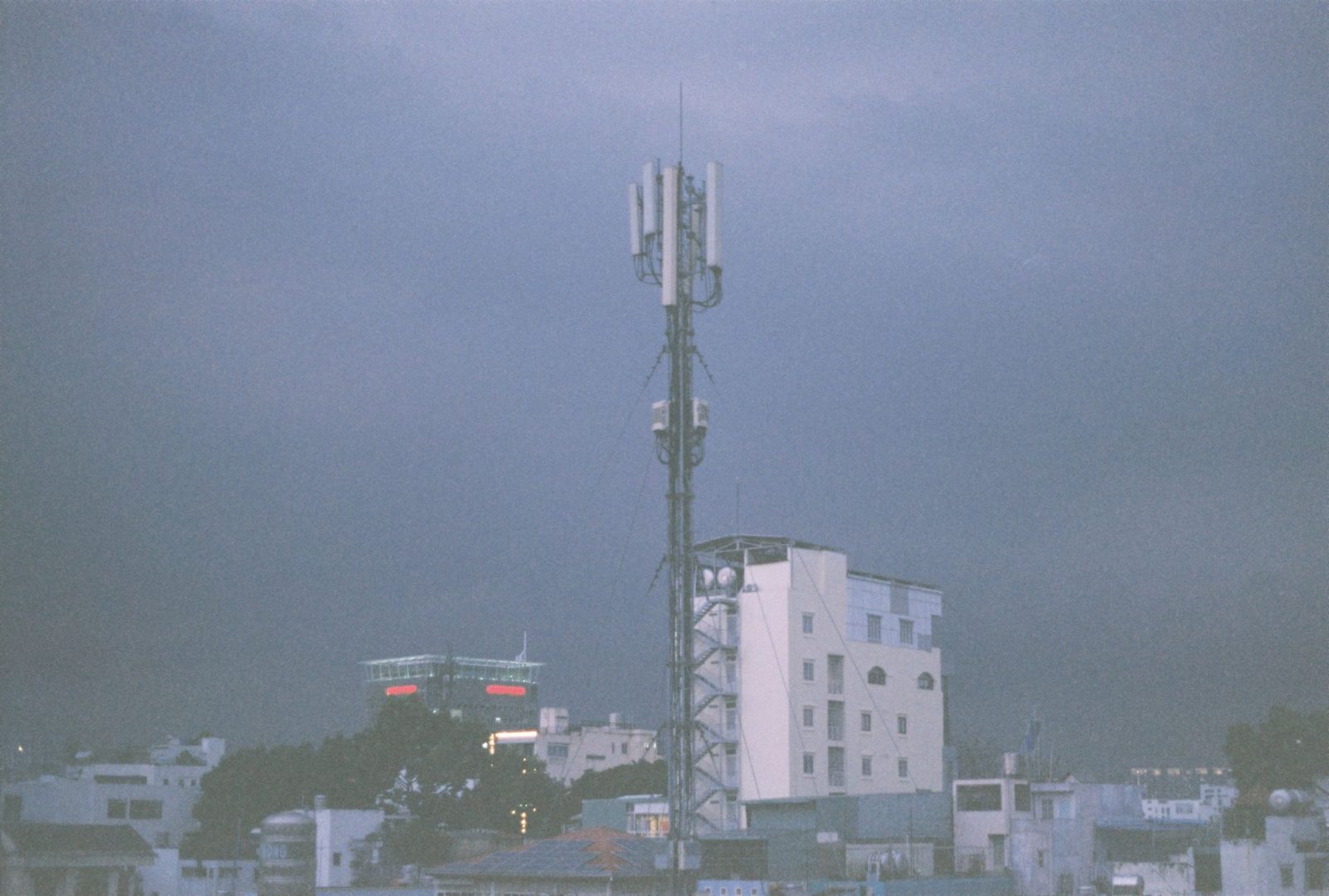
For the average consumer, the telecoms battle is fought over the price per GB, customer service quality, or fiber speed. We imagine Orange, SFR, Bouygues, and Free as fierce adversaries, fighting for every square millimeter of network coverage. However, if you look up at the rooftops of buildings or the hills of the countryside, the reality is quite different. On a single pylon, it is not uncommon to find equipment from two, or even three, different operators.
This phenomenon, known as "infrastructure sharing" or pooling, has become the invisible engine of mobile deployment in France. Recently, Arcep validated the evolution of the alliance between Bouygues and SFR, confirming that the logic of cooperation now outweighs the logic of duplication. Why do direct competitors agree to share their "crown jewels"?
The Economic Driver: Why Pool Resources?
Deploying a mobile network costs billions of euros. Every antenna requires land, a lease agreement, an electrical connection, and constant maintenance. In a context where operator revenues are stagnating, multiplying identical infrastructures a few meters apart is no longer economically viable.
Reducing Capital Expenditure (CAPEX)
Sharing allows for the division of civil engineering costs. Instead of building two pylons, operators agree to build only one and install their respective antennas on it. To optimize the management of these installations, some technicians use a robust cable organizer to maintain the clarity essential during maintenance interventions.
Accelerating 5G Deployment
5G, particularly on the 3.5 GHz frequencies, requires a much higher density of antennas than 4G to guarantee a stable throughput. By sharing sites, operators can cover rural or peri-urban areas much more quickly. This is one of Arcep's major objectives: to reduce "forgotten zones" by encouraging operators to help each other rather than clash on the physical terrain.
Different Sharing Models: From Simple to Complex
Infrastructure sharing is not limited to renting space on a roof. There are several levels of integration, ranging from simple cohabitation to technical fusion.
| Sharing Type | Description | Impact for the User |
|---|---|---|
| Passive | Sharing the pylon, power, and land. | No visible impact. |
| Active (RAN Sharing) | Sharing antennas and part of the radio equipment. | Improvement in overall coverage. |
| National Roaming | An operator uses another's network in case of lack of coverage. | Network access even without their own antenna. |
Active sharing is the most delicate. It requires perfect technical synchronization to avoid interference. To monitor signal quality during these tests, network engineers often rely on an Ethernet network tester to validate the connectivity of the fiber backhaul that feeds the antenna.
The Role of Arcep: Ensuring Competition
While sharing is efficient, it presents a major risk: the creation of an oligopoly where operators are no longer incentivized to innovate because everyone is using the same network. This is where Arcep steps in.
The telecoms regulator ensures that sharing does not become an excuse to neglect certain areas. The authority ensures that pooling agreements remain transparent and do not harm the Quality of Service (QoS). The goal is to prevent two operators, by merging their infrastructures, from reducing the number of antennas to save money, which would degrade reception for subscribers.
Concrete Impact for the Subscriber: Fewer Dead Zones, More Stability
For you, the user, infrastructure sharing has immediate, albeit invisible, advantages.
- Better coverage in rural areas: Where a single operator would not have found it profitable to install an antenna, a sharing agreement makes the operation viable.
- A smoother 5G transition: Deployment is faster because sites are already identified and pooled.
- Increased stability: In the event of a major equipment failure, some national roaming agreements allow switching to a partner network to maintain a minimum service.
However, this also means that if a pooled pylon fails, two operators can be impacted simultaneously, creating a localized digital "black hole." To protect sensitive equipment against power surges during storms, the installation of a professional surge protector is crucial at the base of these towers.
Toward a "Proprietary-Network-Free" Future?
Some experts wonder: are we moving toward a model where operators no longer own antennas, but simply rent capacity on a single national network managed by a third party?
This is already partially the case with some MVNOs (virtual operators) who own no infrastructure. But for legacy operators, maintaining control over part of the hardware remains strategic. This allows them to differentiate their offering (for example, via network slices dedicated to businesses or emergency services).
For those interested in the technical architecture of these networks, reading a book on 5G mobile networks helps in understanding how network slicing allows shared hardware to be segmented into several distinct services.
Conclusion: Collective Intelligence Serving the Signal
Mobile infrastructure sharing is an admission that the race for territorial dominance has reached its physical and financial limits. In 2026, an operator's performance is no longer measured solely by the size of its antenna fleet, but by its ability to forge strategic alliances.
Arcep continues to monitor these agreements to ensure that pooling serves the general interest—namely, universal access to high-speed broadband—and not just the financial margins of large groups. The next time you see a pylon loaded with disparate antennas, remember that this is where, through a technical and legal compromise, the quality of your mobile connection is decided.