

L'équipe Texto SMS Gratuit
5 August 2026 · 5 min read
Introduction: The 5G Signal Mirage
For the past few years, it has been the primary selling point of every mobile plan: "5G." Whether on your smartphone box or in the description of your Orange, SFR, Bouygues Telecom, or Free offer, the promise is the same: lightning speed, near-zero latency, and absolute fluidity. Yet, for many French users in 2026, the reality is quite different. While the "5G" icon appears at the top of the screen, the actual speeds are sometimes barely higher than those of an excellent 4G+ connection.
This phenomenon, which some experts and consumer associations call "fake 5G," is not a malicious invention, but the result of technical complexity and a gradual rollout. The latest reports from Arcep (the Regulatory Authority for Electronic Communications, Posts and Print Media) highlight a persistent gap between theoretical coverage and the actual user experience.

To understand if you are paying for a service you aren't actually receiving, we need to dive into the radio spectrum and understand the fundamental difference between the various versions of 5G.
5G DSS: "4G in Disguise"
The heart of the problem lies in a technology called DSS (Dynamic Spectrum Sharing). To accelerate the 5G rollout without having to install new antennas everywhere, operators used DSS.
How does DSS work?
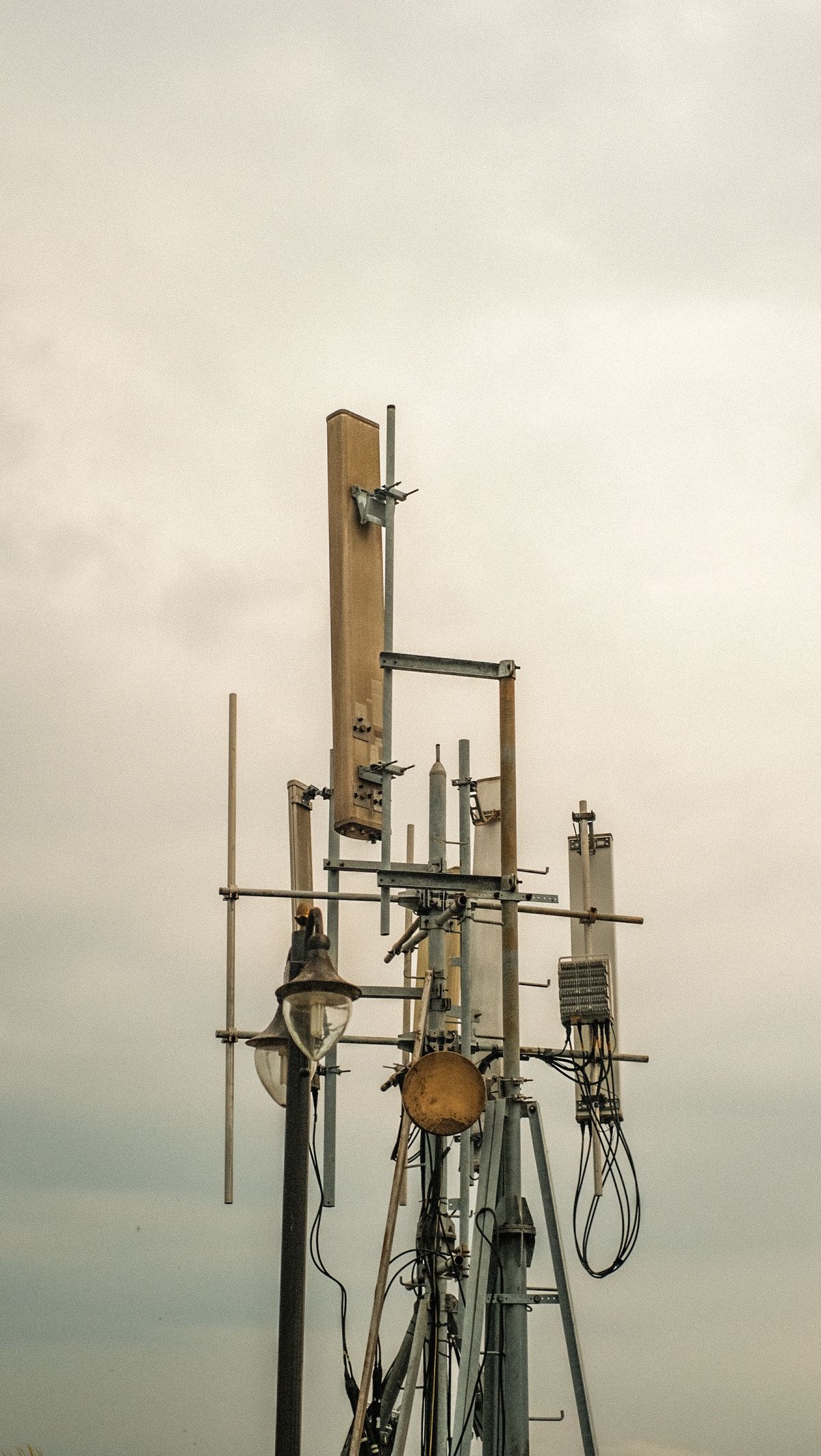
DSS allows an operator to use the same frequency band for both 4G and 5G simultaneously. The antenna decides, in real-time, which part of the signal is allocated to a 4G or 5G user.
The result? Your phone picks up the 5G signal and proudly displays the corresponding logo. However, because the frequency band is shared and often limited to low frequencies (such as 700 MHz), download speeds do not skyrocket. In many cases, the speed is almost identical to 4G. This is where the feeling of "fake 5G" comes from: the icon is there, but the performance isn't.
The Marketing Paradox
Operators communicate about "5G coverage" by including areas covered by DSS. However, for the user, there is a massive difference between:
- 5G DSS: Extensive coverage, but modest speeds (similar to 4G).
- 5G Standalone (SA): The true 5G core network, independent of 4G, offering massive speeds and ultra-low latency.
What Arcep's 2026 Figures Reveal
Arcep, in its regular Quality of Service (QoS) monitoring, observes that while geographic coverage has expanded, the density of "high-performance" sites remains concentrated in dense urban areas.
Marked Territorial Disparity
The report highlights that in rural or suburban areas, 5G is almost exclusively based on DSS or low frequency bands. This means millions of French people are paying for "5G" plans while operating in a technical environment that does not allow them to reach the speeds promised in advertisements (often cited in Gbit/s).
Energy Costs and Network Impact
Arcep has also warned about the environmental impact of this rollout. Maintaining hybrid networks (4G/5G) consumes a vast amount of energy. Energy waste, already flagged for home internet boxes, is also found in the management of antennas that must handle multiple standards simultaneously to maintain this illusion of omnipresent connectivity.

How to Know if You're Using "Real" 5G?
It is impossible to know with certainty which type of 5G you are using simply by looking at the icon on your phone. However, a few tests and indicators can provide clarity.
1. Speed Test
If you get download speeds between 30 and 100 Mbit/s while on 5G, you are most likely on DSS or a low band. "Real" 5G (3.5 GHz band or Standalone) should theoretically propel you well beyond 300 Mbit/s, and even reach Gbit/s under optimal conditions.
2. Latency (Ping)
This is the most reliable indicator. 5G was designed to reduce latency. If your ping remains above 30-40 ms, you are on an infrastructure that still relies heavily on 4G technologies.
3. Check the Frequency Band
For advanced users (Android), apps like NetMonster or CellMapper allow you to see the frequency band being used. If you see "Band n28" (700 MHz), you are on coverage 5G (slow). If you see "Band n78" (3.5 GHz), you are on performance 5G.
What Impact Does This Have on Your Mobile Plans?
The fundamental question is: is it worth paying more for 5G in 2026?
| Plan Type | Recommended Usage |
|---|---|
| 4G/4G+ Plan | Web browsing, social media, HD streaming. Ideal for rural areas. |
| 5G Plan (Entry Level) | For those who want to be "future-ready" without needing extreme speed. |
| Premium / SA 5G Plan | Mobile gamers, cloud computing users, 4K content creation on the go. |
The "5G" Option Trap
Some operators still offer paid options to activate 5G on older plans. If you live in an area where only DSS is deployed, this option is technically useless. You are paying for an icon change on your screen without any real performance gain.
Conclusion: Toward Increased Transparency
The telecom industry has managed the feat of generalizing the term "5G" while deploying a hybrid technology. Arcep plays a crucial role by forcing operators to be more transparent about the actual quality of their networks.
The future lies in the generalization of 5G Standalone (SA), which will be completely independent of 4G. Until then, consumers must remain vigilant: do not be seduced by an icon. Test your speeds, check your actual coverage area, and ask yourself if your usage truly justifies the extra cost of a 5G plan.
Digital life in 2026 is about maturity. We are no longer just looking for "novelty," but for efficiency and transparency. Whether it is for fiber, 5G, or the management of our personal data, the demands of French users continue to grow, forcing operators to move from marketing to technical reality.