


Marc
30 June 2026 · 5 min read
A call comes in with a French 06 number, you pick up… and on the line is a fake bank adviser. That number wasn't real: it had been spoofed. This technique, spoofing, has exploded in France. To put a stop to it, operators are rolling out a quiet but powerful system: the MAN, the Number Authentication Mechanism. Here's what it is, why it exists, and what concretely changes for your calls and texts in 2026.
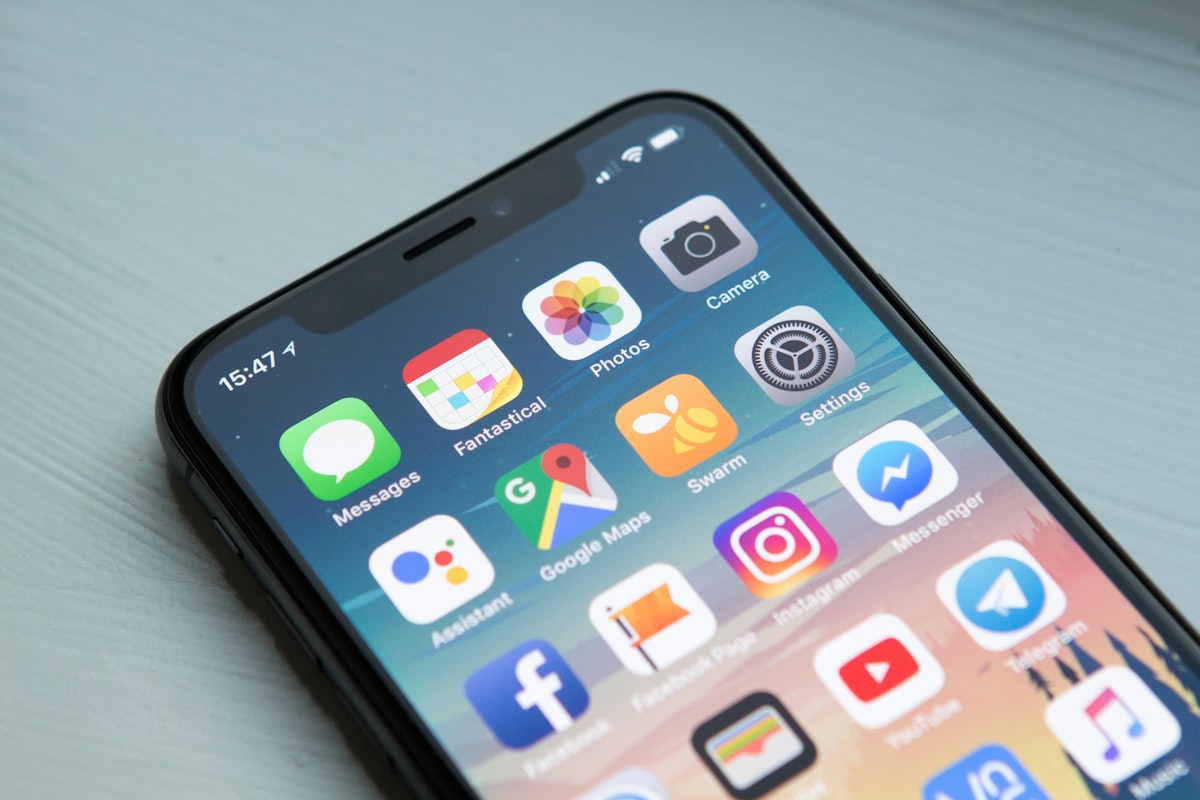
Photo: Unsplash — spoofing shows a fake number on the victim's screen.
Spoofing, a fraud that has exploded
Spoofing (from "to spoof") lets a scammer display a number on your screen that isn't theirs — often a French-looking 06 or 07, sometimes a bank's or a government agency's. The goal: to win your trust and extract data or money.
The figures speak for themselves. In 2025, Arcep, the telecom regulator, received 70,516 fraud reports, a 113% jump in one year. Spoofing alone accounts for more than 19,000 complaints (+123%). And impersonation doesn't stop at voice: its SMS cousin, smishing, now affects 40% of the French, as we explain in our guide to spotting and reporting an SMS scam.
The MAN: a digital passport for every call
To curb the trend, the Naegelen law created the Number Authentication Mechanism (MAN). The idea is easy to grasp, even if the engineering is intricate: every call gets a kind of digital passport proving that the number shown really belongs to the caller.
The system is modelled on the international STIR/SHAKEN standard. It relies on digital certificates issued through a database managed by Arcep:
| Step | What happens |
|---|---|
| Origin | The originating operator signs the call with its certificate |
| Transit | The signature travels with the call across the network |
| Arrival | The destination operator verifies that the signature is valid |
If the signature is missing or doesn't match, the call is treated as unauthenticated — and therefore suspicious.
Timeline: from 2024 to the 2026 "withheld number"
The rollout came in stages. The MAN has been operational since October 2024 for fixed lines, then extended to mobiles in January 2025. Adoption is fast: more than 80% of calls placed by French subscribers while roaming are already authenticated.
The key step for the public is January 2026. Since 1 January 2026, any call whose number cannot be authenticated now shows as a "withheld number". The target: calls placed from abroad with a fake French mobile number, the heart of the spoofing industry. In parallel, Arcep launched an administrative inquiry in January 2026 into the operators that hold number ranges, to understand how these spoofed calls are routed.

Photo: Unsplash — the MAN relies on certificates checked on every call.
What it means for you
Good news: you have nothing to install or configure. The MAN works inside the operators' network, in the background. In practice:
- A call shown as a "withheld number" should raise a red flag: it couldn't be authenticated. Never share a banking code or a password.
- A genuine adviser will never ask for your card PIN or a code received by SMS. When in doubt, hang up and call the official number back.
- The MAN protects voice, but scams also migrate to text. Keep the good habits from our guide to protecting your SMS privacy.
Worth noting: this project goes hand in hand with the wider modernisation of French networks, from the 2G shutdown to the overhaul of Arcep's Voice/SMS coverage maps.
Frequently asked questions
What is the MAN (Number Authentication Mechanism)? A system created by the Naegelen law that lets operators sign and then verify each call, in order to block spoofed numbers.
Why do some calls show as "withheld number" since 2026? Since 1 January 2026, a call whose number cannot be authenticated is withheld. It is often the sign of a fraudulent call placed from abroad.
Does the MAN also protect my SMS? The MAN authenticates calls. For fraudulent SMS (smishing), stay alert and report them (in France, to 33700).
Do I need to switch anything on? No. The MAN runs inside operators' networks, with no action required on your side.
In short
Spoofing has exploded, but the fightback is taking shape. With the MAN, every call now travels with a digital passport verified on arrival, and since January 2026 unauthenticated calls show as a "withheld number". There's nothing for you to do except keep your guard up against an overly pushy caller. Got a question? Our FAQ and contact page are here — and for your everyday messages, you can always send a free SMS to a French mobile, with no sign-up and no ads.