



The Texto SMS Gratuit team
28 June 2026 · 5 min read
SMS has never fallen as fast as it did in 2025. In its electronic communications market observatory published in late May 2026, Arcep, France's telecom regulator, puts a number on what many already sensed: the personal text message is giving way to messaging apps. We dug into the data to gauge the scale of the shift — and why SMS remains, despite everything, impossible to ignore.
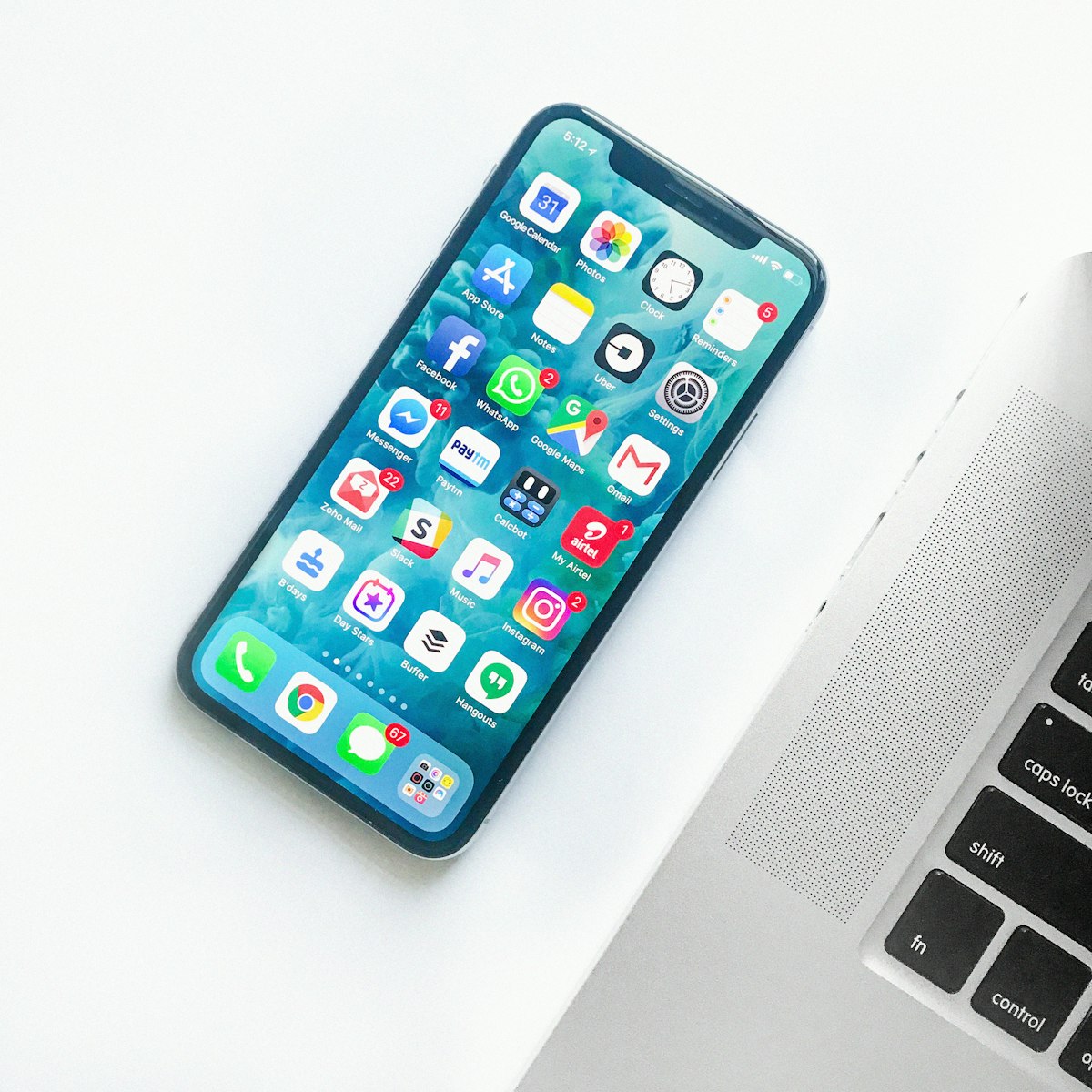
Photo: Unsplash — personal SMS is losing ground to messaging apps.
64.7 billion SMS: a historic drop
Arcep's figures leave no doubt. In 2025, people in France sent 64.7 billion SMS, compared with 88.5 billion in 2024. That's nearly 24 billion messages gone in a single year — roughly 65 million fewer texts every day.
In percentage terms, the volume fell by almost 27% in 2025 alone. To grasp the break, compare it with previous years: between 2023 and 2024, SMS was losing "only" about 10% per year. The 2025 collapse is therefore nearly three times faster than the erosion seen until then.
MMS, its cousin that carries photos and videos, took a hit too: 4.2 billion sent in 2025, 9% fewer than a year earlier.
70 SMS a month, versus 250 ten years ago
Individual usage tells the same story. In 2025, a SIM card sends an average of about 70 SMS per month. At the 2016 peak, that figure was around 250 monthly texts. In a decade, average usage has been divided by more than three.
| Year | SMS sent (France) | Average / SIM / month |
|---|---|---|
| ~2016 (peak) | — | ~250 SMS |
| 2024 | 88.5 billion | — |
| 2025 | 64.7 billion | ~70 SMS |
The main reason? The massive use of instant messaging apps. According to the digital barometer cited by Arcep, 86% of people in France aged 12 and over use them to exchange messages. WhatsApp, iMessage, Signal and their peers have captured most personal conversations.
RCS, the accelerator of the decline
The factor behind the 2025 acceleration is the rise of RCS (Rich Communication Services). This new messaging standard is built directly into the Messages app pre-installed on Android and, since late 2024, on iPhone. High-quality photos, read receipts, reactions: it does everything you'd expect from a modern messenger, with nothing to install.
The catch, for SMS statistics, is that every RCS message sent is one fewer SMS counted. For operators, the effect is brutal: the volume of SMS and MMS exchanged between operators (the wholesale market) fell by 33.5% over the year, and even by 43% in the final quarter of 2025 alone. We've devoted a full guide to this switch: RCS versus SMS in France.
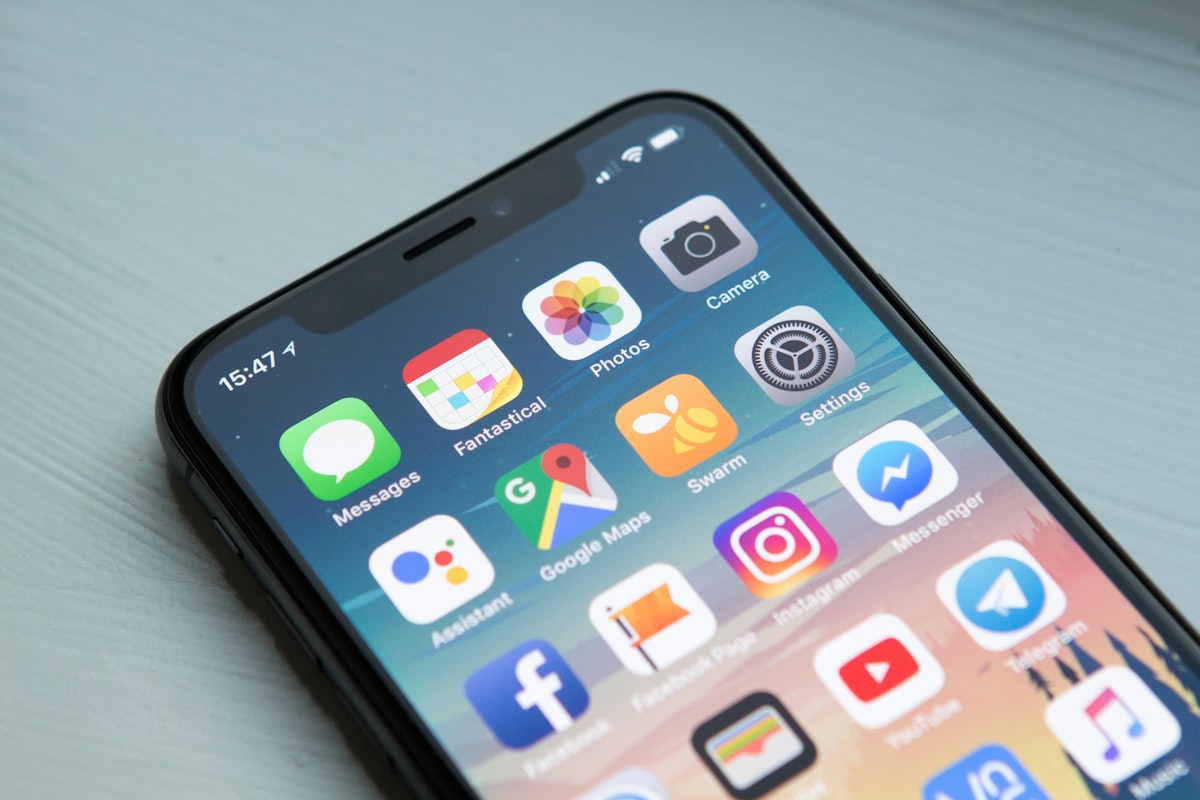
Photo: Unsplash — instant messaging apps now concentrate most conversations.
Why SMS won't disappear anyway
Declining isn't dying. SMS keeps strengths no messaging app can replicate:
- It works everywhere. No app, account or data connection needed: a simple mobile network is enough. RCS, by contrast, uses your internet plan and assumes a compatible smartphone on both ends of the conversation.
- It's universal. If your contact has no smartphone, no data or an older phone, SMS remains the fallback that always gets through.
- It's heavily used by services. Banking validation codes, delivery confirmations, medical appointment reminders: these utility uses still rely on SMS, precisely because it reaches every phone.
That's also why texting survives major upheavals like the 2G shutdown in France or the reshaping of SMS operators: it rests on the most robust and universal foundation of mobile.
What it means for you
In practice, these figures confirm a trend, not a disappearance. For your everyday exchanges, you can keep relying on SMS — and even send a free SMS to a French mobile, with no sign-up and no ads. If you have several recipients, our guide on sending bulk SMS will help, and to write efficiently, keep the 160-character limit in mind.
Finally, fewer personal SMS often means more fraudulent SMS trying to pass as a legitimate service. Stay alert to SMS scams and smishing.
Frequently asked questions
How many SMS were sent in France in 2025? About 64.7 billion, compared with 88.5 billion in 2024, according to the Arcep observatory — a drop of nearly 27% in a year.
Why is the number of SMS falling? Mainly because of instant messaging apps (used by 86% of people aged 12 and over) and the rise of RCS, which replaces SMS inside the Messages app.
Will SMS disappear? No. It remains the most universal and reliable way to reach any phone, and it's still used by banks, delivery services and public administration.
Can I still send an SMS for free? Yes. You can send a free text in seconds, with nothing to install.
In short
With 64.7 billion messages in 2025 (−27% in a year) and an average down to 70 SMS per month per SIM card, Arcep documents the sharpest decline ever recorded for personal SMS, driven by messaging apps and RCS. But texting stays irreplaceable where it matters: a message that reaches every phone, with no data and no app. Got a question? Our FAQ and contact page are here — and you can always send a free SMS in an instant.