



Sophie
20 June 2026 · 5 min read
The old copper wire that carries ADSL and the landline into millions of French homes is living its final years. Orange, which owns the network, is shutting it down gradually, town by town, until it disappears completely — planned for the end of 2030. And 2026 is a pivotal step. Here's the timeline, who's affected and what to plan for.
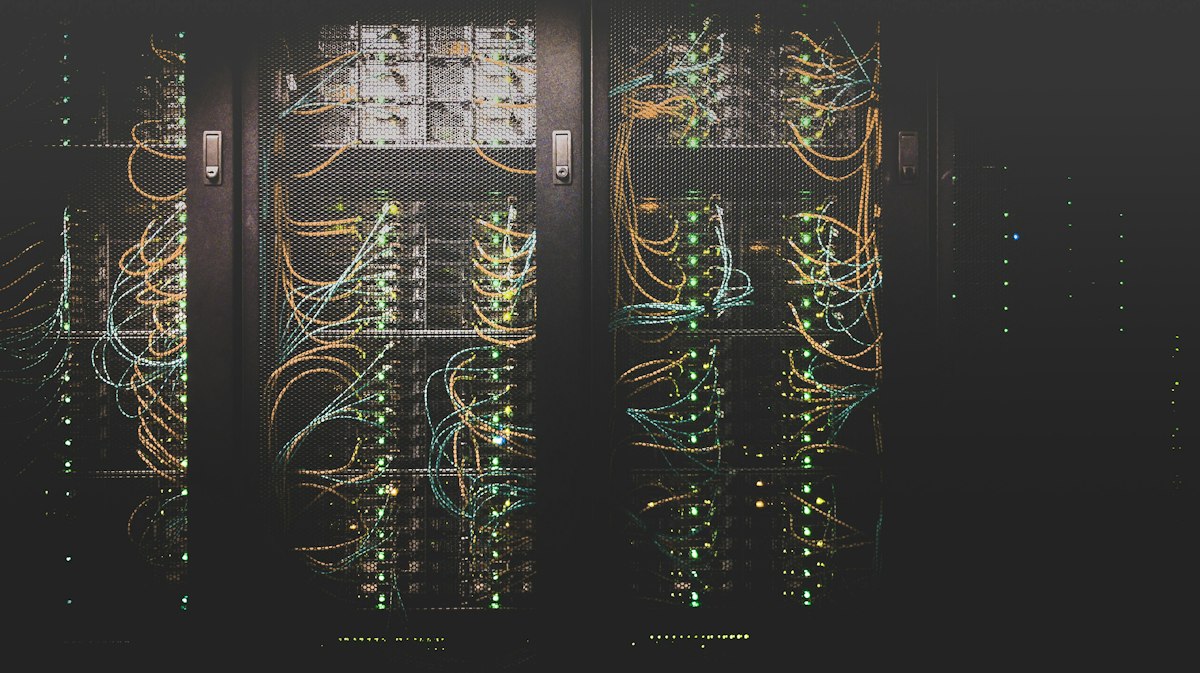
Photo: Unsplash — network infrastructure and cabling.
Why shut down the copper network?
Rolled out from the 1970s onward, the copper network (the one behind ADSL, VDSL and the analogue phone line) is ageing, expensive to maintain and limited in speed. Fibre optics is replacing it everywhere: according to Arcep, 95% of premises can now be connected to fibre, which already accounts for nearly 84% of internet subscriptions in France.
Rather than running two networks in parallel, Orange is moving everyone to fibre and unplugging the copper. In total, more than 41.5 million lines will be technically closed by November 2030.
The 2026 timeline, batch by batch
The shutdown happens in seven successive batches, and always in two stages: first the commercial closure (no new copper subscriptions possible), then, one to two years later, the technical closure (the line is physically cut).
| Batch | Towns | Key milestone |
|---|---|---|
| Batch 2 | 829 | Final technical closure on 27 January 2026 |
| Batch 3 | 2,145 | Technical closure planned for 31 January 2027 |
| Batch 4 | 6,894 (~8.3M premises) | Commercial closure 2026–2027, technical in 2029 |
In practice, since January 2026 hundreds of towns in Batch 2 no longer have any active copper line: ADSL and the analogue landline have stopped there for good. The following batches follow the same mechanism, staggered through 2030.

Photo: Unsplash — fibre optics replacing copper.
What exactly stops working?
After a batch's technical closure, several services disappear at the same time:
- ADSL, SDSL and VDSL internet access: you must have switched to fibre (or a 4G/5G box) beforehand.
- The classic analogue landline plugged into the wall socket.
- Associated services that ran over the copper line: remote monitoring, personal alarms, payment terminals, fax machines, alarm systems…
That last point catches people out the most: an alarm system or a personal-alarm unit plugged into the old line can stop working overnight. Which is why it's worth checking your address ahead of time.
What should you do before the cut-off?
If your town is affected, the steps are simple. First check whether fibre is available at your address, subscribe to a fibre plan with the operator of your choice, then make sure your equipment (phone, alarm, card reader) is compatible or migrated. Your operator is required to notify you several months in advance.
On the mobile side, nothing changes — and that's exactly where the SMS keeps all its value. Unlike fixed internet, a text travels over mobile operators' GSM network, completely independent of both copper and fibre. Whether your landline is cut or not, you can always send a free SMS from our home page, with no sign-up.
SMS, fibre, mobile: a shifting landscape
The end of copper is part of a wider transformation of French telecoms, just like the rise of RCS against SMS or the changing offers from French operators. The thread running through all these shifts: mobile is becoming the universal channel, while fixed lines reinvent themselves around fibre.
For a reminder, a confirmation or a one-off message, the SMS remains the safe bet — it reaches any phone, with no app and no box. If you have a lot of messages to send, our guide on sending SMS in bulk can help.
Frequently asked questions
Is my town affected in 2026? It depends on your batch. Batch 2 towns were cut off in January 2026; the other batches are staggered through 2030. Your operator notifies you in advance. If in doubt, our contact page and our FAQ can point you in the right direction.
Will I lose my landline number? No. Your number is kept: it simply moves from the copper line to fibre (voice over IP).
Is SMS affected by the end of copper? Not at all. SMS travels over the mobile GSM network, which is independent of the fixed network. You can keep sending a free text without installing anything.
In short
2026 is speeding up the end of an era: ADSL and the analogue landline are switching off batch after batch, in favour of fibre, until copper is fully closed at the end of 2030. Check your eligibility, migrate your equipment in time — and remember that to reach someone for sure, SMS stays free and universal with us.