

L'équipe Texto SMS Gratuit
6 August 2026 · 6 min read
Introduction: The Mirage of Universal Connectivity
This is the paradox of the French digital landscape in 2026. On one hand, we discuss the widespread adoption of 5G and the imminent arrival of Direct-to-Device for satellite SMS. On the other, thousands of households, nestled in the valleys of the Massif Central or the plains of Beaucaise, are still waiting for "fiber to finally arrive."
While official reports show encouraging coverage rates, the reality on the ground is more nuanced. The deployment of Very High Speed (VHS) broadband has hit a wall: the wall of economic profitability. For an operator, laying a kilometer of fiber in a dense street in Lyon is an investment that pays off in a few months; doing so to serve three isolated farms in the Lot is a financial sinkhole.
Faced with this reality, Arcep has recently toughened its stance, explicitly asking operators to "open their wallets." But why is deployment stagnating? What are the technical and financial bottlenecks still fueling the digital divide in 2026?
The Impossible Equation: Deployment Cost vs. Profitability
To understand the slow pace of rural deployment, one must dive into the financial mechanics of transport networks. The economic model traditionally relies on ARPU (Average Revenue Per User). In cities, customer density allows civil engineering costs to be amortized quickly.
The weight of civil engineering
The largest expense is not the fiber itself—which is a relatively inexpensive material—but the excavation work. Digging trenches, crossing departmental roads, or installing conduits on aging utility poles requires colossal time and resources.
In rural areas, three main obstacles are observed:
- Geographic dispersion: The linear ratio of fiber per subscriber is exponentially higher than in urban areas.
- Topographic complexity: Mountainous or forested areas necessitate costly technical solutions (river crossings, complex K-points).
- State of existing infrastructure: Reliance on poles (aerial) is common, but often requires expensive upgrades to meet standards before any installation can occur.
Arcep's pressure on operators
Arcep is no longer just observing. The regulator reminds everyone that digital access is now an essential service, on par with electricity or drinking water. By demanding more investment from operators, Arcep is attempting to force a cross-subsidy: using profits generated in dense areas to fund expansion into "white" or "grey" zones.
RIP and Private Networks: A Two-Tier System?
In France, deployment relies on two pillars: private networks (deployed directly by Orange, SFR, Bouygues, or Free) and Public Initiative Networks (RIP), led by local authorities.
The crucial role of RIPs
RIPs are designed specifically to compensate for the lack of commercial interest from operators. A local authority finances the infrastructure and then leases access to an operator who manages the service. However, this model is showing its limits in 2026.
There is a "hidden bill" related to the maintenance of these networks. Building the fiber is one thing; maintaining it across thousands of kilometers of rural paths is another. Outages, while rare (approximately 0.12% according to the latest observatories), take much longer to resolve in isolated areas due to the limited availability of technicians.
The battle of the operators
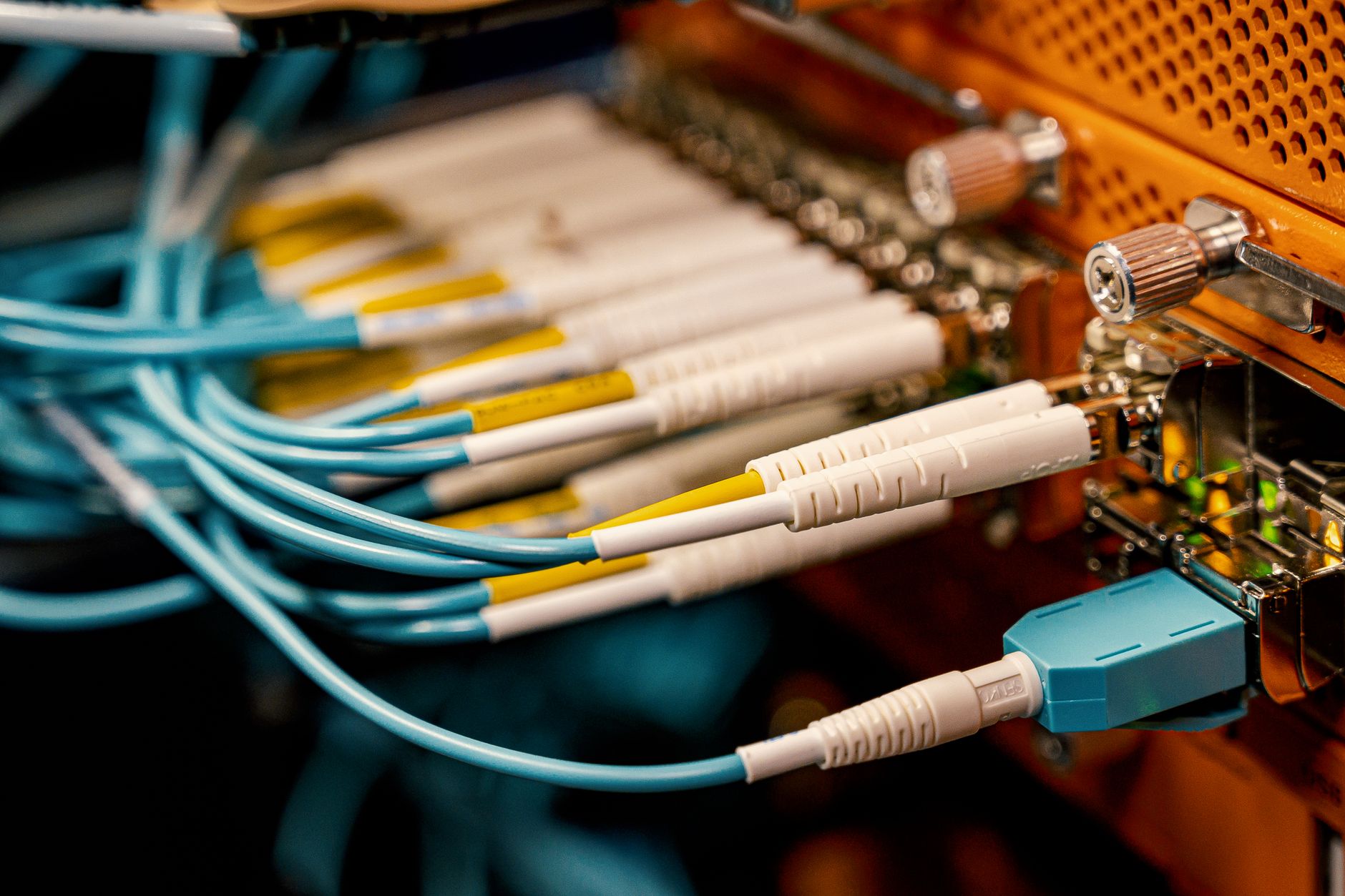
The landscape has become more complex with the arrival of players like Iliad (Free) who, while very aggressive on pricing, have occasionally been formally warned by Arcep for failing to complete certain mutualization points. Mutualization is key: to avoid digging the same trench four times, a single network must accommodate all operators. But this technical coordination is a source of tension and delays.
Alternatives: Satellite and 5G as Transition Solutions
While waiting for fiber to reach the last hamlet, other technologies are attempting to fill the gap. But are they real solutions or mere bandages?
The strong return of satellite (LEO)
The arrival of Low Earth Orbit (LEO) satellite constellations has changed the game. Unlike old geostationary satellites, latency is now low enough to allow for remote work or HD streaming. This is an immediate solution for areas where civil engineering costs are prohibitive.
Fixed 5G (FWA - Fixed Wireless Access)
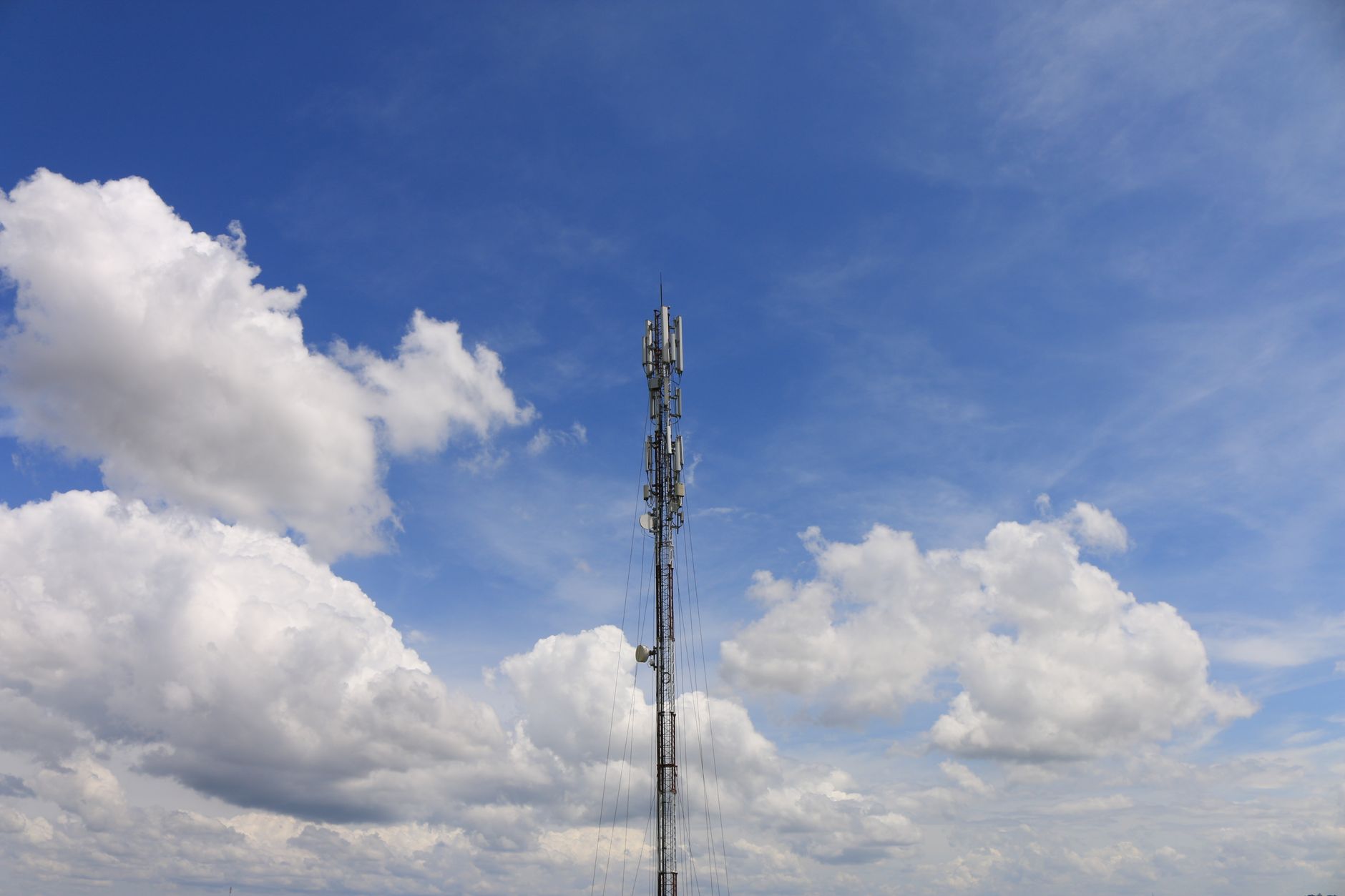
5G isn't just for browsing on your phone in the subway. Fixed Wireless Access allows a powerful 5G antenna to be installed in a village, distributing internet via high-performance 4G/5G boxes.
| Technology | Speed | Latency | Installation Cost | Reliability |
|---|---|---|---|---|
| Fiber (FTTH) | Very High | Very Low | Very High | Excellent |
| LEO Satellite | High | Medium | Low | Good |
| Fixed 5G (FWA) | High | Low | Medium | Variable |
However, Arcep remains vigilant: 5G must not become an excuse to abandon fiber deployment. Wireless remains subject to interference and cell saturation during peak usage.
What is the impact for the end user in 2026?
For citizens living in rural areas, this situation creates a tangible digital frustration. Accessing digitized public services (taxes, health, education) becomes an obstacle course when the connection drops during the slightest storm.
The risk of social exclusion
We are no longer talking just about browsing "convenience," but about fundamental rights. Remote work, which has become the norm for many, is impossible without network stability. This pushes some young professionals to leave the countryside, worsening rural depopulation.
How to react to unkept promises?
If you are in an area where fiber has been promised for years without ever arriving, several levers exist:
- Consult the Arcep coverage map: This allows you to know if your area is classified as a RIP or a private zone.
- Contact your local authority: City halls and departmental councils are often the ones steering RIPs and can put pressure on providers.
- Look into hybrid solutions: Do not hesitate to combine a satellite or 5G subscription while waiting for the final connection.
Conclusion: Toward a Truly Inclusive Digital Future
Optical fiber is the backbone of the modern economy. In 2026, France has achieved technical feats, but the "last mile" remains the most difficult. Political will and Arcep regulation are necessary, but they must be accompanied by economic pragmatism.
The goal should no longer be simply to "cover" the territory, but to guarantee an equivalent quality of service, whether one resides in Paris, Lyon, or deep in an Ardennes valley. The end of the digital divide will not be marked by the last cable laid, but by the moment when geographic location is no longer a barrier to professional or personal ambition.
The fight for Very High Speed broadband continues, and while operators may still hesitate, social and regulatory pressure will only grow. Digital access cannot be a luxury reserved for urban areas.